Jeff Bezos Has a Very Billionaire-ish Idea of What Freedom Means

Billionaire Jeff Bezos has decided to use his newspaper to propagate an outdated story that Americans like to tell themselves: that economic freedom equals human freedom. The myth of meritocracy might be designed to inspire striving, but in a country with the greatest income inequality in the developed world, it does something more harmful. It threatens Americans’ health, gaslighting people to believe that unchecked capitalism delivers personal liberty, when decades of research show it shackles people to financial and emotional insecurity. Bezos announced on February 26 that The Washington Post’s opinion pages will be “writing every day in support and defense of two pillars: personal liberties and free markets.” The paper will not publish any viewpoints opposing his priorities, he said, while adding, “Freedom is ethical—it minimizes coercion—and practical—it drives creativity, invention, and prosperity.” For an editorial section that long prided itself as a marketplace of ideas, and a newspaper historically dedicated to holding the powerful accountable, this edict by a union-busting business mogul engaged in a pay-to-play scheme with a president who disdains the Constitution is bad for journalism and democracy and, perhaps most personally, Americans’ mental health. I worked at The Washington Post from 2017 to December 2023, establishing the Opinion section’s first documentary film unit and pioneering a column about mental health and society. In 2021, I covered the January 6 attack at the U.S. Capitol as part of the team that won the Pulitzer Prize for Public Service. When I learned of Bezos’s editorial edict, I talked to former colleagues and learned of “heartbreak,” confusion, and anger in the newsroom. I also reached out to Post leadership for a comment on what defines “personal liberties and free markets” and who would be the arbiter of who deserved this freedom. No response.What is happening inside the Post is, in some ways, a microcosm of the country. The “hierarchical, authoritarian nature of most workplaces”—often disguised by language about valuing people’s feedback—has been revealed, according to Seth Prins, assistant professor of epidemiology and sociomedical sciences at Columbia University’s Mailman School of Public Health. This forces people to confront the fact they don’t have much control under the current structure, which can be extremely stressful—and not just among D.C. journalists and government workers being targeted for cuts. This is bad for Americans’ physical health, mental health, finances. Anxiety, depression, cardiovascular disease, and other stress-related disorders are all caused by precarious employment, overwork, unemployment, and lack of autonomy and control in the workplace. These problems are rife at another Bezos company: Amazon, the world’s second-largest employer. Corporate executives say they’re concerned about employee health and safety. The Center for Urban Economic Development notes, however, that the intensity, injuries, surveillance, burnout, and high worker-turnover rate at Amazon “should raise concerns about the potential long-term effects on wellbeing, medical costs, future employment and overall economic security.”The system Bezos is championing has enabled the rich to get richer faster and the working class to burn out more quickly. And the assignment he’s given The Washington Post opinion pages is to make his story look good. There is a dataset that gives it credence: Since the 2020 pandemic, the U.S. economy expanded at a solid pace, wages have grown, and more people are working. But if you widen the lens to look at health, well-being, and human flourishing—some people’s definition of life, liberty, and the pursuit of happiness—the United States does “abysmally,” social epidemiologist Richard Wilkinson, a professor emeritus at the University of York in Britain, told me. “The costs of the way the society works are absolutely horrendous,” Wilkinson said in an interview. “We must, at some point, get people to address that.” Suicide and drug overdoses are leading causes of death in the U.S., where we’re strangled by an epidemic of loneliness—that heartbreaking mix of anxiety, depression, and fear that chips at our physical and mental health. The American mind—some might say spirit—is in crisis. Don’t blame Covid-19 alone. In the decade leading up to the pandemic, high school students’ persistent feelings of sadness and hopelessness increased by about 40 percent.This isn’t an individual failing, and it can’t all be pinned on social media and cell phones, either. Wilkinson and Kate Pickett, his co-author of the book The Spirit Level, have found that in more unequal societies, kids do less well on math and literacy tests, teenage birth rates are higher, there’s more homicide, more people in prison, lower levels of trust and public engagement, and higher obesity rates.Wilkinson focuses on what psychologists refer to as social evaluative threat. It’s measurable. In experiments, people facing threats to their self-esteem or social status show sharp spikes in cortisol, while other tasks have little effect. “That’s what makes being lower down on the hierarchy so painful,” Wilkinson told me, noting that research shows people not only despise poverty, they despise themselves for being poor. Self-loathing and internalized shame can play out as violence and tension or conflict in the family, at work, and with authorities. The rich may be able to buy their way out of some angst, but they can’t escape the stress of being judged. Plus, income inequality and low trust can breed resentment, which can inspire violence—and the fear of it. After the killing of UnitedHealth CEO Brian Thompson, several major health care executives reportedly increased personal security measures.“Whether you are quite resilient or vulnerable to all the social anxieties,” Wilkinson said, “everyone is more worried about others’ judgments of them in more unequal societies.”Censoring critiques of Bezos’s world-view, as is now the rule at Post opinions, doesn’t make the problems go away, though. Similarly, the Trump administration’s executive order to ban mentions of racism, inequality, and gender in scientific research will not erase them from our lives.One can understand why it is trying, however. The illusion of truth can be powerful and effective. Misinformation about the 2020 election and the Capitol attack propagated by right-wing media helped President Donald Trump win back the White House. And in a Pew Research Survey conducted before the election, just 30 percent of conservatives said economic inequality is a very big problem in their country, compared with 76 percent of liberals. When powerful elites control the information ecosystem, perception can feel like reality. But here’s the truth: Deregulation and tax breaks for the wealthy have enabled Bezos and his peers, including Meta CEO Mark Zuckerberg and Elon Musk, to rack up $227 billion, $230 billion, and $359 billion in worth, respectively, according to Forbes. These oligarchs would like people to believe that if you’re innovative and hardworking, you can achieve their success too. At the same time, however, they oppose labor rights and data protections, consumer safety, and regulations—the measures that shield Americans from exploitation and promote social mobility. So while the wealth gap grows, the poor and working classes are slipping down or stuck on the rung their parents stood on. Free markets and personal liberties are excellent ideas that can complement each other, but only when society collectively decides that dignity, health, and well-being are included in the definition of freedom.“One of the major purposes of the ‘individual liberty’ language is to divide workers and make them think only of themselves,” Prins told me. “We know that actually we are stronger when we come together to demand what we want.” Americans want to do better and feel better. In 2022, 79 percent of Americans said they believe mental health is a public health emergency and needs more attention from lawmakers. And last year, a majority of Americans suggested they wanted the government to look out for people’s health and to regulate business to protect the public interest, according to a Pew Research Survey. But just 22 percent said they trust the government in Washington to do what is right. It’s hard to trust the government to help people feel better when our culture blames individuals for collective problems. Bezos’s ideological pivot at one of the world’s most influential newspapers reinforces a false narrative that economic freedom and human freedom are the same thing and that it’s up to the individual to achieve both. At a time when economic anxiety, loneliness, and distrust in institutions are deepening, the shift is not just misguided—it’s dangerous. We need media that advocate for well-being, not gaslight people into believing their suffering is liberty.

Paternal Obesity‐Induced H3K27me3 Elevation Leads to MANF‐Mediated Transgenerational Metabolic Dysfunction in Female Offspring

Paternal lifestyle and environmental exposures play a critical role in the offspring’s health. The present study established a paternal obesity model and demonstrated that elevated H3K27me3 levels in sperm persist through the 8-cell embryo stage. This epigenetic modification triggers transgenerational decrease of MANF, inducing ER stress and activating the GRP78-PERK-EIF2α-ATF4-CHOP axis, ultimately driving hepatic metabolic dysfunction and apoptosis in female offspring.

Abstract
Paternal lifestyle and environmental exposures can alter epigenetic changes in sperm and play a critical role in the offspring’s future health, yet the underlying mechanisms remain elusive. The present study established a model of paternal obesity and found that the increased levels of H3K27me3 in sperm persist into the 8-cell embryo stage, resulting in a transgenerational decrease of Manf, which causes endoplasmic reticulum stress and activates the GRP78-PERK-EIF2α-ATF4-CHOP axis. This consequently leads to impaired glucose metabolism and apoptosis in the liver of female offspring. Based on these findings, the F0 mice are treated with 3-deazaneplanocin A, an EZH2 inhibitor, which successfully prevented metabolic dysfunction in F0 mice of the high-fat diet (HFD) group. Meanwhile, intravenous injection of recombinant human MANF in F1 female offspring can successfully rescue the metabolic dysfunction in the HFD-F1 group. These results demonstrate that paternal obesity triggers transgenerational metabolic dysfunction through sperm H3K27me3-dependent epigenetic regulation. The present study also identifies the H3K27me3-MANF pathway as a potentially preventive and therapeutic strategy for diabetes, although further studies are needed to validate its clinical applicability.

The Ageing Doctor: These Are They Early Signs Of Arthritis! If You Run & Don’t Do This, Start Now!

Could you be losing bone strength without realising it? Dr Vonda Wright breaks down the importance of bone health and its impact on osteoporosis, Alzheimer’s, and longevity

Dr Vonda Wright is an orthopaedic sports medicine surgeon and expert on active aging and mobility. She is the author of 44 research publications and of books such as, ‘Fitness After 40: Your Strong Body at 40, 50, 60, and Beyond’.

In this conversation, Dr Vonda and Steven discuss topics such as, the truth about creatine for women, the early signs of arthritis, how running doesn’t build muscle, and the secret cause of Alzheimer’s.

00:00 Intro
02:03 Vonda’s Mission to Help People Live a Longer, Stronger Life
03:59 How Much of Vonda’s Work Crosses Into the Cognitive Realm?
06:03 Training the Brain Like a Muscle
07:14 What Is Precision Longevity?
09:24 How Does the Body Change in Different Seasons of Life?
11:17 Why Do Men’s Bones Maintain Their Density Longer Than Women’s?
12:08 Is Loss of Bone Density Inevitable for Women?
13:51 Why Bone Health Is Crucial for Overall Health
19:47 How Do Bones Release Substances Into the Body?
21:52 What’s Making Your Bones Fragile?
25:39 Importance of Impact Sports for Bone Health
26:42 How to Care for Bone Health During Pregnancy and Breastfeeding
27:47 What Is the Bone-Brain Axis?
29:20 What Is the Critical Decade for Bone Health?
34:04 What Is Osteoporosis?
35:31 How Many Americans Over 50 Have Osteopenia?
36:48 Early Warning Signs of Osteoporosis
37:44 Smoking vs. Bone Health
38:28 Is There a Link Between Alzheimer’s and Bone Health?
39:09 Alzheimer’s Disease in Vonda’s Family
40:57 Would Vonda Choose an Able Body or an Able Brain?
41:52 Prediabetes
46:12 Diet for Good Cognitive Performance
48:11 The Perfect Diet for Vonda
49:22 Ads
50:28 Strong Muscles and Bones as Keys to Longevity
50:48 You’re Never Too Old to Build Strength
53:28 Workout Strategies for Building Muscle
55:26 Higher or Lower Weights: What’s Best for Building Muscle?
56:46 Why Is Muscle Critical for Longevity?
59:50 Nutrients for Muscle Preservation
01:01:31 Why People Get Creatine Wrong
01:03:06 How to Find Motivation to Take Responsibility for Your Health
01:03:57 Vitamin D: Crucial for Bone Health
01:04:28 How to Prevent Injury While Running
01:11:45 Ads
01:13:52 Why Should People Avoid Obesity as They Age?
01:15:44 Strategies to Promote Motivation
01:18:32 Myths About Menopause
01:21:22 Link Between Menopause and Bone Density
01:22:40 The Musculoskeletal Syndrome of Menopause
01:27:49 What Causes Arthritis?
01:29:09 Is HRT a Remedy for Musculoskeletal Symptoms of Menopause?
01:30:18 Why Is Back Pain on the Rise?
01:32:55 Back Pain Prevention
01:34:21 Study: Age-Related Decline in Performance Among Elite Senior Athletes
01:36:16 New Book: *Unbreakable*
01:38:42 Link Between Menopause, Diabetes, and Alzheimer’s
01:39:50 The Importance of Men Knowing About Menopause
01:41:36 How Do You Know When To Stop?

Follow Dr Vonda:
Instagram – https://g2ul0.app.link/PgWdlIghuRb
Website – https://g2ul0.app.link/fUepAxlhuRb
Podcast – https://g2ul0.app.link/0MRGecrhuRb

You can purchase Dr Vonda’s book, ‘Fitness After 40: Your Strong Body at 40, 50, 60, and Beyond’, here: https://g2ul0.app.link/pldFkf4guRb

Research Document: https://stevenbartlett.com/wp-content/uploads/2025/03/DOAC-Vonda-Wright-Independent-research-further-reading.pdf

My new book! ‘The 33 Laws Of Business & Life’ is out now – https://g2ul0.app.link/DOACBook

You can purchase the The Diary Of A CEO Conversation Cards: Second Edition, here: https://g2ul0.app.link/f31dsUttKKb

Get your hands on the Diary Of A CEO Conversation Cards here: https://bit.ly/conversationcards-youtube

Follow me:
https://g2ul0.app.link/gnGqL4IsKKb

Sponsors:
Vanta – https://vanta.com/steven
ZOE – https://zoe.com
PerfectTed – https://www.perfectted.com with code STEVEN40 for 40% off”

World Obesity Day: CAPPA renews call for healthy food policies

“Taking action on obesity is a critical step in reducing the burden of other chronic non-communicable diseases, hence the call for a raise in the SSB tax – a pro-health levy – to N130 per litre and the proceeds ploughed into the healthcare sector.”

‘Obesogenic environment: We live very sedentary lifestyles, paired with fast food culture’

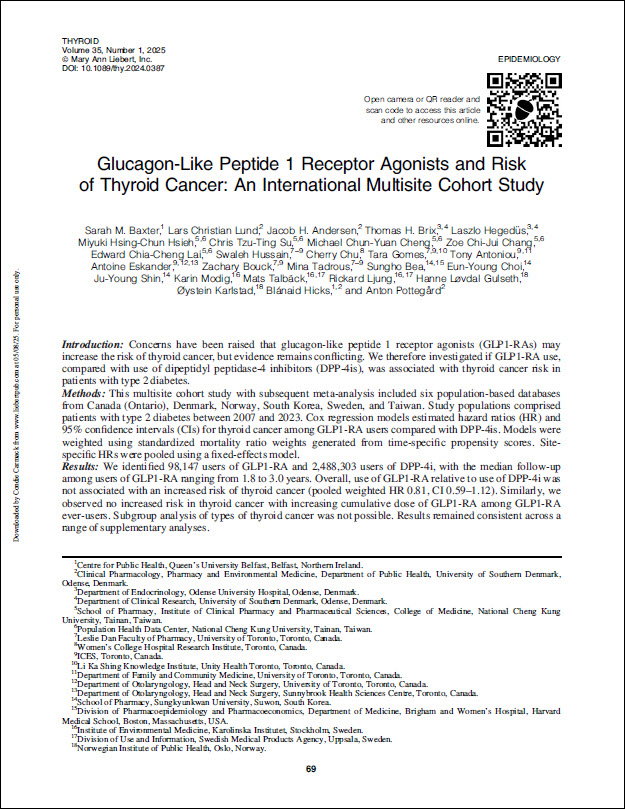
Rates of obesity and overweight are spiralling due to a “monumental societal failure” to tackle the problem, with more than half of adults and almost a third of children and young people set to be affected by 2050, according to a new study published in The Lancet. That represents more than 3.8 billion adults and 746 million children and adolescents. As we commemorate World Obesity Day, FRANCE 24’s Genie Godula welcomes Dr. Karen Coulman, Senior Research Fellow and Obesity Specialist Dietitian at the University of Bristol.
#Health #Obesity #WorldObesityDay

🔔 Subscribe to France 24 now: https://f24.my/YTen
🔴 LIVE – Watch FRANCE 24 English 24/7 here: https://f24.my/YTliveEN

🌍 Read the latest International News and Top Stories: https://www.france24.com/en/

Like us on Facebook: https://f24.my/FBen
Follow us on X (Twitter): https://f24.my/Xen
Browse the news in pictures on Instagram: https://f24.my/IGen
Discover our TikTok videos: https://f24.my/TKen
Get the latest top stories on Telegram: https://f24.my/TGen

Decoding the complex systems of obesity

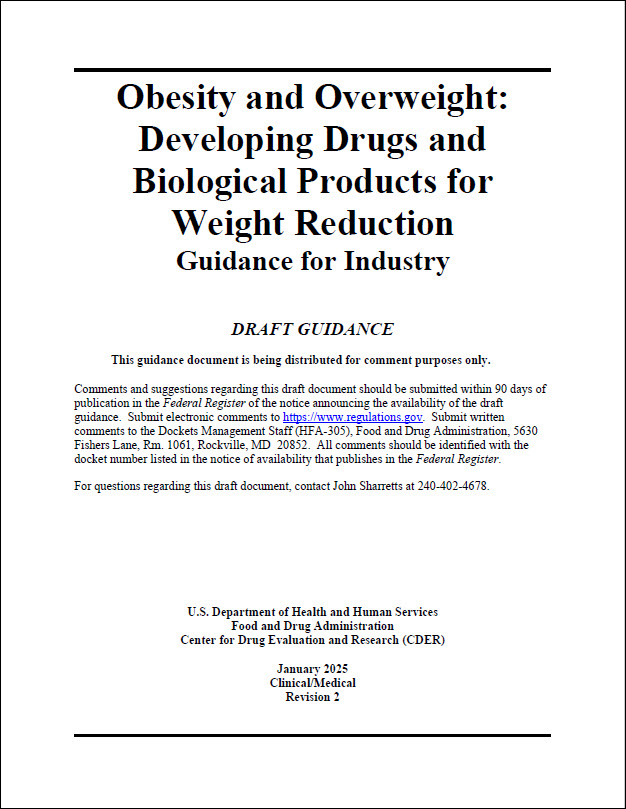
We present this special focus issue on March 4th, coinciding with World Obesity Day 2025, to show our solidarity with the World Obesity Federation and advocate for increased awareness, prevention, and treatment of obesity. We embrace this year’s World Obesity Day theme, “Changing Systems,” which challenges us to broaden our perspective from viewing obesity as solely an individual issue and recognize the wider systemic factors that contribute to the rapidly escalating rates of obesity worldwide. As researchers and as editors we often take a narrow view, focusing on specific genes, molecules, or cell signaling pathways that impact metabolism and contribute to obesity. However, with this issue, we aim to expand that view, presenting papers that highlight how body systems cooperate to impact metabolic health and, more broadly, how environmental factors, including food systems, contribute to this complex disease. By understanding the systems that influence obesity on a broader level, we can hope to optimize current disease management and to uncover novel approaches to combat it.

“Shunt-ing” down obesity with novel endogenous metabolites

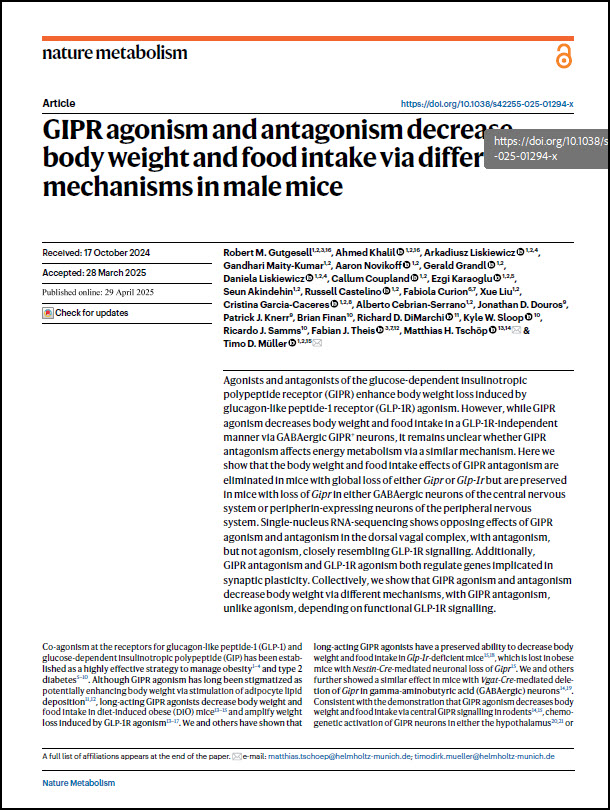
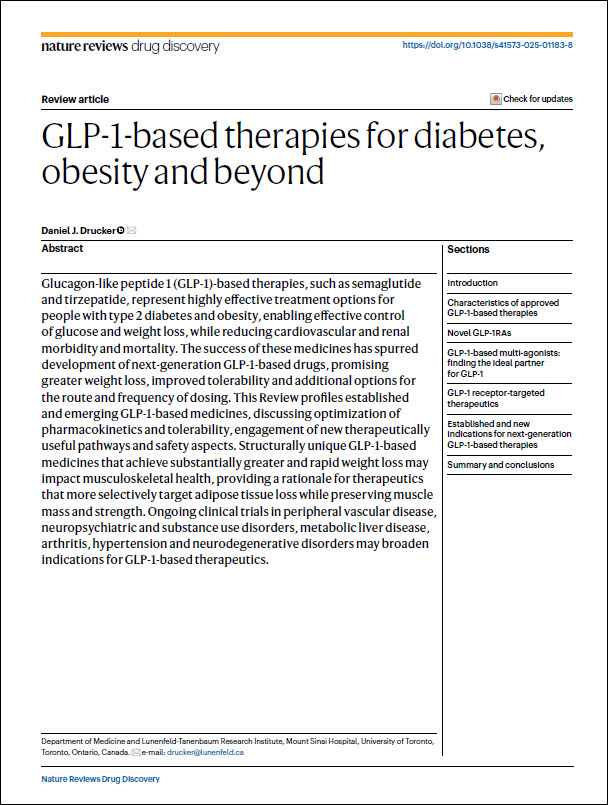
Obesity is a growing public health issue that has recently been transformed through the advent of new medicines. However, our understanding of the pathways and mechanisms that regulate energy balance in mammals is still developing. Recent discoveries on this front include an exciting new finding that there exists a novel class of metabolites in humans and mice that can regulate obesity in rodents.