
ASCO: Lower Incidence of Breast Cancer Seen With GLP-1 Receptor Agonist Exposure
Friday, June 5 – Glucagon-like peptide-1 receptor agonist (GLP-1 RA) exposure is associated with a lower incidence of breast cancer, according to a study published online June 2 in JCO Oncology Practice to coincide with the annual meeting…
GLP-1s Like Ozempic May Help Lower Breast Cancer Risk. Here’s How
Thursday, June 4 – New research suggests that GLP-1 drugs could serve as an effective strategy for breast cancer prevention. ruizluquepaz/Getty Images
A new study found that females using GLP-1 drugs had about a 30% lower risk of developing breast cancer.
The effect may be related to the metabolic improvements associated with this class of medications.
18 Women Are Sharing Their Personal “Why” Behind Starting GLP-1 Medication, And I Think Everyone Needs To Listen
Thursday, June 4 – “I was 405 pounds and in the hospital after a bout with COVID. I had diastolic heart failure and lung complications. One of four cardiologists standing in my room crossed his arms and came close to me, saying, ‘You…will either change your life or live in a nursing home.'”View Entire Post ›
Why Canadians can now get cheaper generic Ozempic – and Americans can’t
Canada is the first G7 country to approve the lower cost weight-loss drugs, which are rolling out in pharmacies this month.
Semaglutide linked to better quality of life in diabetes and kidney disease, trial shows
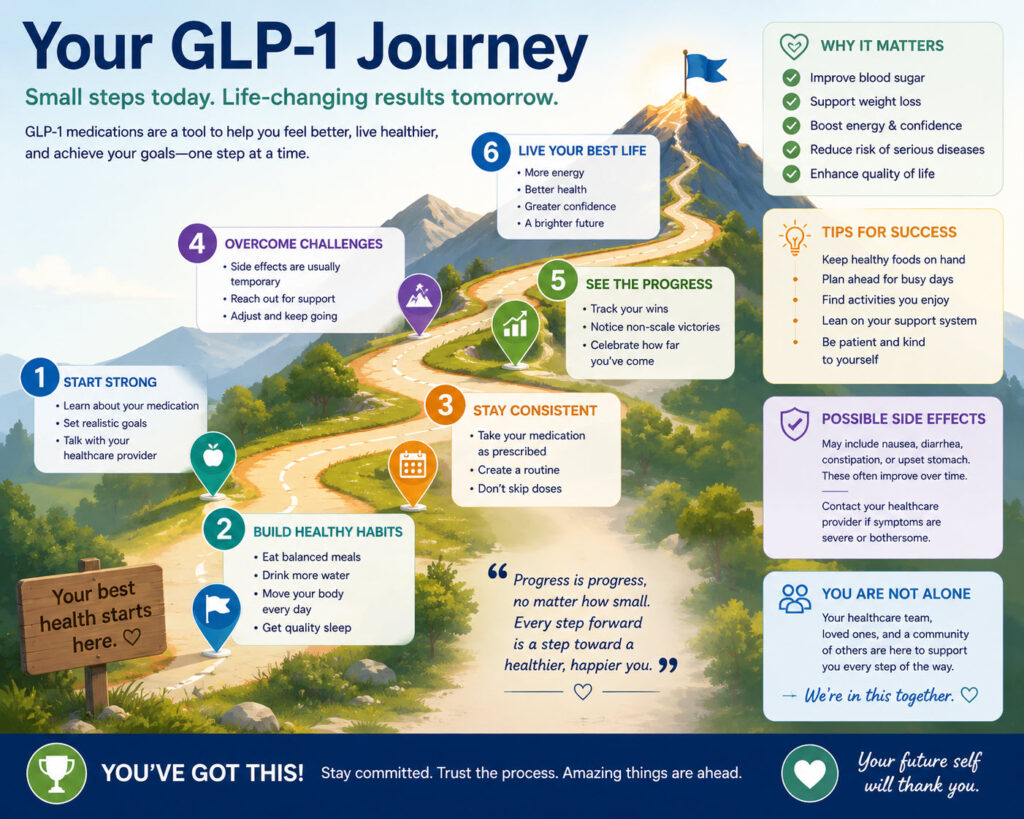
Thursday, June 4 – New findings from the landmark FLOW trial, presented at the 63rd ERA Congress, show that once-weekly semaglutide significantly improved health-related quality of life in adults with type 2 diabetes and chronic kidney disease, equivalent to around eight additional days in full health per year.
Telehealth booms as demand for GLP-1s surges and questions mount about safety, oversight
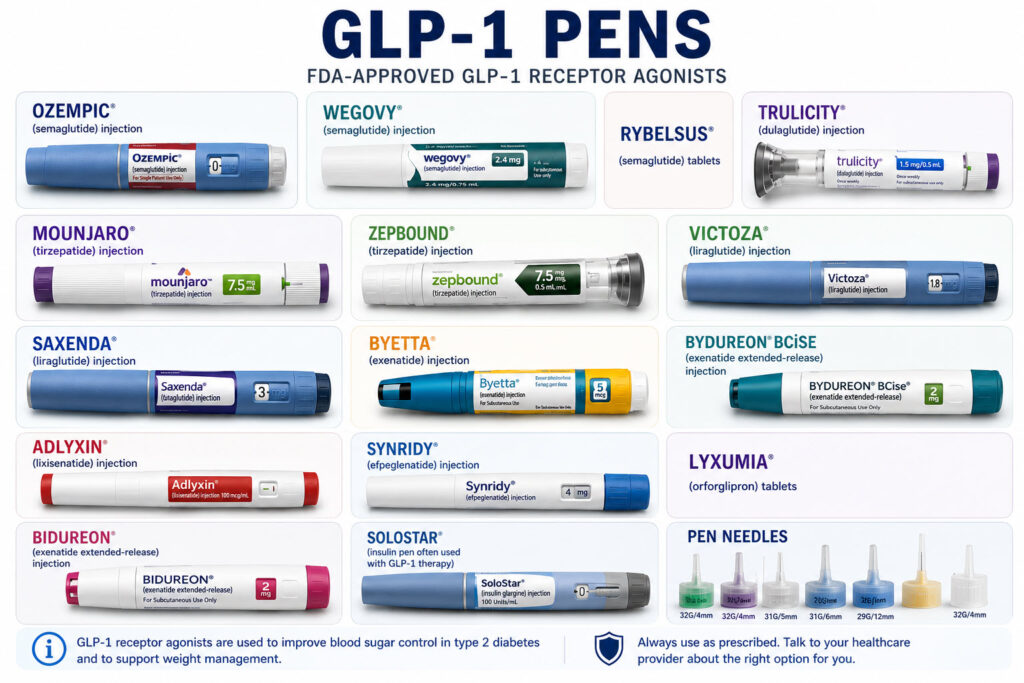
Thursday, June 4 – Within 24 hours of injecting the first dose of a weight loss medication she received following a visit with a telehealth doctor, Karleigh McClain was admitted to the hospital, she said. The 31-year-old compliance consultant from Hendersonville, Tennessee, said she couldn’t stop vomiting.
Popular GLP-1 weight-loss drugs linked to lower risks of addiction and overdose
Thursday, June 4 – A massive study of more than 600,000 U.S. veterans suggests that popular GLP-1 drugs such as semaglutide may do far more than help with diabetes and weight loss—they could also fight addiction itself. Researchers found that people taking these medications were less likely to develop substance use disorders involving alcohol, nicotine, cannabis, cocaine, opioids, and other drugs, while those already struggling with addiction experienced fewer overdoses, hospitalizations, emergency visits, and drug-related deaths.
This new diabetes pill burns fat without the downsides of Ozempic
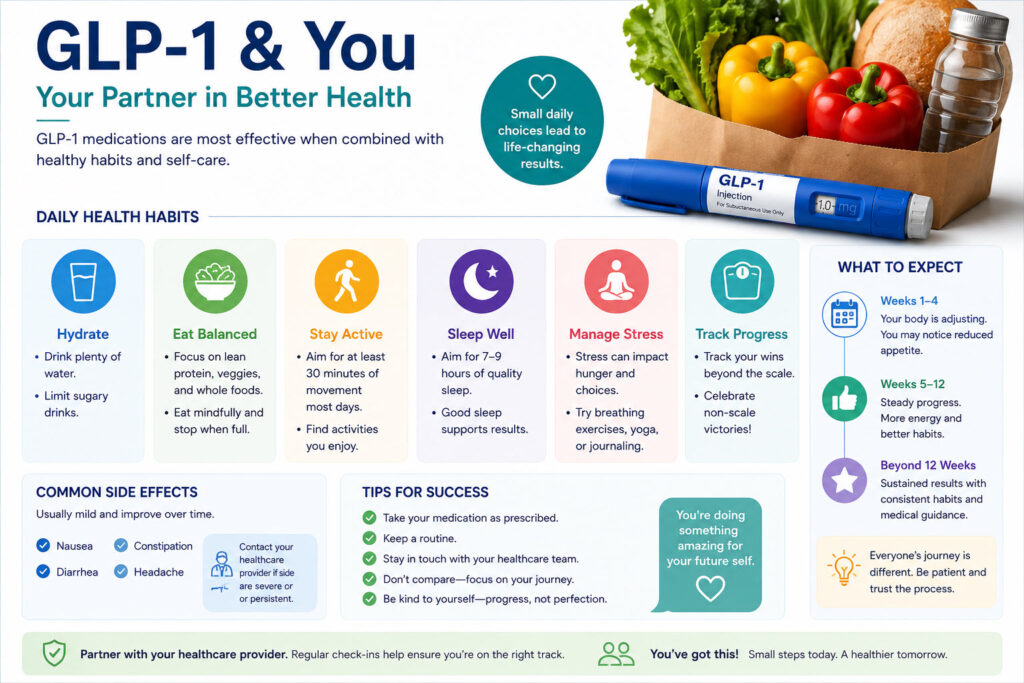
Thursday, June 4 – Scientists have developed an experimental diabetes and obesity pill that works in a completely different way from drugs like Ozempic. Rather than reducing hunger, it activates metabolism in skeletal muscle, helping lower blood sugar and increase fat burning while preserving muscle mass. Early clinical results suggest the treatment is safe and well tolerated.
STAT+: Pharmalittle: We’re reading about GLP-1 drugs and knees, FDA cell and gene therapy guidance, and more
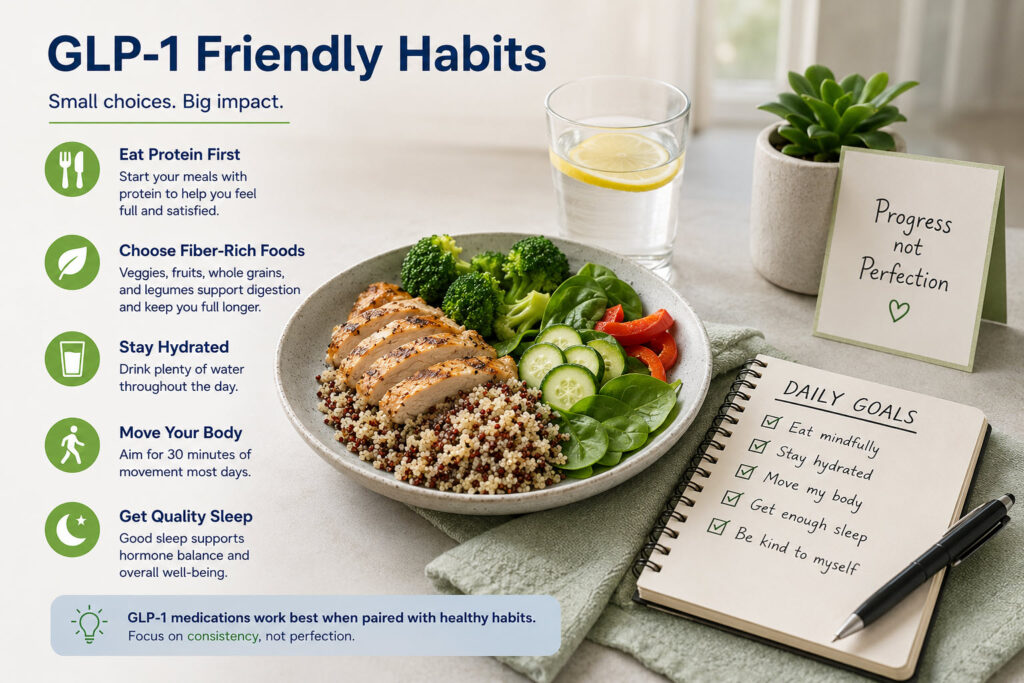
Thursday, June 4 – Taking weight loss drugs for at least three years could prevent thousands of knee replacements a year, a new study found
GLP-1 Drugs Like Ozempic May Lower Breast Cancer Risk By About 30%
WEDNESDAY, June 3, 2026 — Taking Ozempic or Zepbound might lower a woman’s risk of breast cancer, a new study says.
Women with excess weight taking GLP-1 drugs were about 30% less likely to develop breast cancer than those not taking…